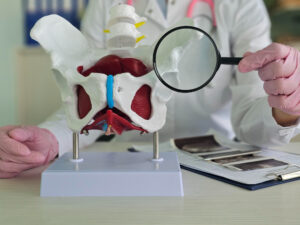
What Are Anal Fissures?
Anal fissures are small tears or cuts in the lining of the anus. Because this area is sensitive, these tears can cause pain and discomfort. Healing anal fissures quickly is important to prevent further problems. Many people worry about this condition, but modern solutions for anal fissures can help you recover faster.
Common Symptoms
Anal fissure symptoms are easy to notice. However, some signs may be mild at first. Look for these common symptoms:
If you notice any of these symptoms, it is wise to seek advice. Early care can help heal anal fissures fast.
Causes and Risk Factors
Many things can cause anal fissures. Often, hard or large stools stretch the skin and cause a tear. In addition, frequent diarrhea or constipation can increase your risk. Other risk factors include:
Because these factors are common, anyone can develop a fissure. But, you can lower your risk by making healthy choices.
Diagnosis Methods
Doctors can usually diagnose anal fissures with a simple exam. First, they will ask about your symptoms. Then, they may gently look at the area. Sometimes, a doctor may use a small tool to see inside the anus. However, this is only done if needed. In rare cases, other tests may be used to rule out different problems.
Modern Medical Treatments
There are many modern medical solutions for anal fissures. Most treatments aim to reduce pain and help the tear heal. Some common options include:
Because each person is different, your doctor will suggest the best anal fissure treatment for you. In many cities, you can find clinics that offer advanced care for anal fissures.
Home Care and Lifestyle Tips
Along with medical care, home remedies can help heal anal fissures fast. Try these tips:
Additionally, gentle exercise can improve digestion. These steps support healing and prevent new fissures.
Prevention Strategies
Preventing anal fissures is possible with a few simple habits. For example, you can:
Because prevention is easier than treatment, these habits are worth following every day.
When to See a Doctor
Most anal fissures heal within a few weeks. However, you should see a doctor if:
Early medical care can prevent complications and help you heal faster. In many areas, you can find expert care for anal fissure treatment.
In summary, healing anal fissures is possible with modern medical solutions and good self-care. Consult DR.Buntyshah Shah for personalized advice on healing anal fissures.